Choosing between a single-stage, two-stage, or modulating furnace comes down to how much you want to spend upfront and how even you want your home to feel. A single-stage furnace is the most affordable, a modulating furnace delivers the most consistent comfort, and a two-stage furnace sits in the middle, which is why it is a common choice in Alberta homes. Here is how the three types work, how they compare, and how to tell which one fits your home.
Key Takeaways
- A furnace’s stage is how many heat output levels it runs at: single-stage has one, two-stage has a low and a high, and modulating varies continuously.
- Single-stage furnaces cost the least but produce the largest temperature swings and the most noise.
- Two-stage furnaces run mostly on a lower setting for steadier heat, with full output held in reserve for the coldest Alberta days.
- Modulating furnaces give the most even, quietest heat and the best seasonal efficiency, at the highest upfront cost.
- Staging is not the same as efficiency, and getting the size right during furnace installation matters more than staging for how any unit performs.
What Furnace Staging Means
Staging describes how a furnace controls the amount of heat it produces, and it is not the same thing as its efficiency rating. A furnace’s stage refers to how many output levels its burner and blower can run at. A single-stage unit has one, a two-stage unit has two, and a modulating unit adjusts continuously. Two furnaces with an identical efficiency rating can still deliver heat very differently depending on their staging.
Why Staging Matters in a Cold Climate
In Calgary, a furnace runs for six to seven months of the year and handles sharp temperature swings, including chinooks that can lift the outdoor temperature by twenty degrees in hours. A furnace locked at full output heats in short, forceful bursts, then shuts off, creating warm and cool cycles. One that can dial its output up and down holds a steadier temperature and runs more economically across a long heating season.
Single-Stage Furnaces
The single-stage furnace is the traditional design and still the most common type in Canadian homes.
How a Single-Stage Furnace Works
A single-stage furnace runs at one fixed output. When the thermostat calls for heat, the burner fires at full capacity, runs until the target temperature is reached, then shuts off completely. There is no lower setting.
Strengths, Trade-Offs, and Best Fit
Its appeal is cost and simplicity. It is the least expensive type to buy and install, has fewer components to service, and is available in high-efficiency models. The trade-off is comfort, since running only at full output produces noticeable temperature swings and more noise, and rooms farthest from the furnace often feel cooler. It suits smaller homes, tighter budgets, and rental or shorter-term properties where long-term comfort upgrades matter less.
Two-Stage Furnaces
A two-stage furnace adds a lower everyday operating level, and for many Alberta homes it is the practical middle ground between cost and comfort.
How a Two-Stage Furnace Works
A two-stage furnace has a high setting and a low setting, and it runs on low, typically around sixty to seventy percent of full capacity, most of the time. It switches to high output only on the coldest days, when the low setting cannot keep up. Because it spends most of the winter on low, it runs longer, gentler cycles rather than short, forceful ones.
Strengths, Trade-Offs, and Best Fit
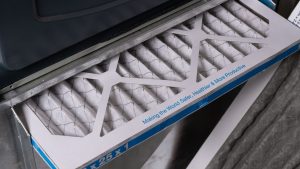
Longer low-stage cycles mean more even temperatures, quieter operation, and better air filtration, since air passes through the filter more often. A two-stage furnace costs more than a single-stage unit and has more components, so in a small or well-insulated home the comfort gain can be harder to justify. It fits larger or multi-level homes prone to cold spots and homeowners who want a real comfort improvement without the cost of a modulating system.
Modulating Furnaces
A modulating furnace is the most advanced of the three and gives the finest control over indoor temperature.
How a Modulating Furnace Works
Rather than one or two fixed settings, a modulating furnace adjusts its output continuously across a wide range, often in very small increments. Paired with a variable-speed blower, it constantly fine-tunes the heat it produces and the air it moves to match the home’s needs, running almost continuously at a low output and holding the temperature within a fraction of a degree of the setting.
Strengths, Trade-Offs, and Best Fit
It delivers the most consistent temperatures, the quietest operation, and the best efficiency over a full season, because it rarely runs at full output. The trade-off is the highest upfront cost, and its advanced components can make repairs more involved. It suits larger or custom homes and homeowners who plan to stay long enough to recover the higher cost through comfort and lower operating costs over many winters.
Single-Stage vs Two-Stage vs Modulating: Side-by-Side Comparison
The table below sums up how the three types compare across the factors that drive the decision.
| Factor | Single-Stage | Two-Stage | Modulating |
|---|---|---|---|
| Upfront cost | Lowest | Moderate | Highest |
| Temperature consistency | Noticeable swings | More even | Most even |
| Noise level | Loudest | Quieter | Quietest |
| Seasonal efficiency | Baseline | Better | Best |
| Best suited to | Smaller homes, tighter budgets, rentals | Larger Alberta homes with cold spots | Larger or custom homes wanting top comfort |
Staging affects how efficiently a furnace runs day to day, but it is separate from the unit’s AFUE rating, which measures how much fuel becomes heat. In Canada, all new residential gas furnaces must be high-efficiency condensing models, so the efficiency floor is high whichever stage you choose.
How to Choose the Right Furnace for Your Home
The right furnace depends on your home, your budget, and how long you plan to stay. A few questions narrow it down quickly.
Questions to Ask Yourself
Consider how long you will stay in the home, since a longer stay gives more time to benefit from a higher-staged furnace. Think about whether you have cold spots now, how much noise bothers you, and where your budget sits between a lower upfront cost and long-term comfort. Your answers usually point toward one of the three fairly quickly.
Why Correct Sizing Comes First
Whichever type you choose, correct sizing matters more than staging. An oversized furnace short-cycles, turning on and off too often, which wastes fuel and wears out components no matter how advanced the unit is. The right furnace size comes from a heat-loss calculation for your specific home, not a rule of thumb, which is why the choice of furnace should follow a professional assessment.
Frequently Asked Questions
Is a Two-Stage Furnace Worth It in Alberta?
For many Alberta homes, yes. The low stage handles the long moderate stretches of the heating season efficiently and quietly, while the high stage covers the deep cold snaps. The comfort gain is most noticeable in larger or multi-level homes that tend to have cold spots.
Do Modulating Furnaces Use Less Gas?
Over a full heating season they often do, because they spend most of their time running at a low output rather than cycling on and off at full blast. The actual savings depend on your home’s insulation, its size, and how cold your winter runs.
Which Furnace Type Is Quietest?
A modulating furnace is the quietest, because it usually runs at a low, steady output with a variable-speed blower rather than starting and stopping at full speed. A two-stage furnace is quieter than a single-stage unit for the same reason.
Does Furnace Staging Affect the AFUE Rating?
No. AFUE measures how much fuel a furnace converts into heat, and a single-stage and a modulating furnace can share the same rating. Staging affects how efficiently the furnace runs in real conditions, which is separate from the lab rating.
Get Furnace Advice for Your Calgary Home
There is no single best furnace, only the one that fits your home, budget, and how long you plan to stay. The most reliable way to decide is to have a licensed technician assess your home, walk through the options, and size the system correctly before anything is installed.
Quicker Rooter has been installing and servicing furnaces across Calgary for over 30 years. Our licensed technicians help you weigh the options and install the system properly, backed by a one-year warranty on parts and labour. Learn more about our furnace installation and repair services, or contact us to talk through what fits your home.
Sources
- Natural Resources Canada – Gas furnace efficiency regulations, confirms Canada’s high-efficiency condensing requirement for new residential gas furnaces
- Natural Resources Canada – Furnaces and the EnerGuide label, explains AFUE as the measure of furnace efficiency
- Carrier Canada – Modulating vs variable-speed furnaces, manufacturer reference on how modulating furnaces adjust output