Most gas furnaces last between 15 and 20 years. How long a furnace actually lasts depends far more on how it was sized, installed, and maintained than on the brand on the cabinet, which is why two identical units on the same street can age very differently. Here is what the industry data shows on furnace lifespan, what shortens it, and how to recognize when yours is nearing the end.
Key Takeaways
- Most gas furnaces last 15 to 20 years; good maintenance pushes toward the top of that range, while neglect pulls below it.
- The biggest factors in lifespan are correct sizing, installation quality, and annual maintenance, not the brand.
- Calgary’s long heating season adds running hours, so staying current on upkeep matters more here.
- Warning signs include age past 15 years, rising repair frequency, climbing bills, uneven heat, and new noises.
- A cracked heat exchanger can leak carbon monoxide, so an aging furnace needs a working CO detector and a professional furnace inspection.
What the Data Shows on Furnace Lifespan
Before getting into the factors that move the number, it helps to know the baseline manufacturers and the industry consistently report.
The Typical Range for a Gas Furnace
Most gas furnaces are built to last 15 to 20 years. Some units fall short of that and some exceed it, but it is the realistic working life of a modern residential gas furnace. A well-maintained, correctly sized furnace can reach the upper end of the range or beyond, while a neglected one can fail years earlier.
Why the Range Is So Wide
A five-year spread is significant for an appliance, and the reason is that lifespan is determined far more by sizing, installation, and maintenance than by brand. Two identical furnaces can have very different lifespans depending on how they were set up and cared for. That is good news, because most of the factors that decide where a furnace lands in that range are within your control.
What Shortens a Furnace’s Life
Several common factors pull a furnace toward the lower end of its expected lifespan, and most of them are avoidable.
Skipped Maintenance
The most common reason a furnace fails early is a lack of routine maintenance. Dust builds up on components, small issues go unnoticed until they cause damage, and parts that could have been cleaned or adjusted instead wear out. An annual professional tune-up catches these problems while they are minor.
Incorrect Sizing
A furnace that is too large short-cycles, switching on and off far more than it should, and all that extra starting and stopping wears components out ahead of schedule. One that is too small runs almost constantly and never rests. Either way, poor sizing shortens the system’s life, which is why the right furnace size matters well beyond the first winter.
Poor Airflow and a Long Heating Season
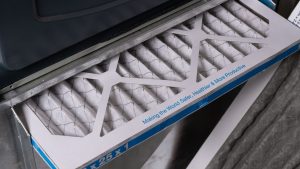
A furnace needs unobstructed airflow to run within its design temperatures, so a filter left in place for months forces it to work harder and run hotter, accelerating wear. Calgary’s heating season also runs roughly six to seven months, which means a furnace here simply accumulates more running hours than one in a milder climate. More run time is more wear, so regular filter changes and upkeep pay off especially well in Alberta.
What Helps a Furnace Last Longer
The same factors work in reverse, and a furnace that is looked after tends to reach the upper end of its expected life.
Annual Professional Maintenance
A yearly inspection and tune-up is the most effective step for extending a furnace’s life. A technician cleans key components, checks the heat exchanger and burners, tests safety controls, and flags small issues before they become failures. Many manufacturer warranties also expect documented annual maintenance to stay valid.
Correct Sizing and a Quality Installation
A furnace that is correctly sized and properly installed starts its life under far less stress. Good airflow design, correct venting, and a unit matched to the home’s actual heat loss all contribute to a longer service life, which is why the installation is worth getting right the first time.
Signs Your Furnace Is Nearing the End
Age alone does not mean a furnace needs replacing, but age combined with other signs usually does.
Age, Repairs, and Rising Bills
Once a furnace passes 15 years and starts needing repairs more often, it is sending a clear signal, and a unit that needed nothing for a decade but now needs a repair every season is generally on its way out. A furnace losing efficiency as it ages often shows up on the gas bill first, with heating costs climbing without a matching rise in rates or usage. Uneven heating, where some rooms never quite reach temperature, is another common late-life symptom.
Noises, Flame Colour, and Safety Warnings
New rattling, banging, or squealing sounds point to worn components, and a burner flame that burns yellow or flickers rather than steady blue can indicate a combustion problem that should be inspected promptly. Most seriously, a cracked heat exchanger in an aging furnace can allow carbon monoxide into the home, which is why a working carbon monoxide detector and an annual inspection matter on any older unit. If you ever suspect a combustion or carbon monoxide issue, treat it as urgent.
When to Repair and When to Replace
Reaching the end of a furnace’s life does not always mean an immediate replacement, and a simple guideline helps frame the decision.
| Situation | Typical Guidance |
|---|---|
| Under 10 years, minor repair | Repair |
| 10 to 15 years, moderate repair | Repair, and start planning ahead |
| Over 15 years, major repair near half the cost of a new unit | Replace |
| Any age, cracked heat exchanger or other safety fault | Replace promptly |
Why a Professional Assessment Beats a Rule of Thumb
A guideline is a starting point, not a verdict. The right call depends on the specific repair, the condition of the rest of the system, how the furnace was maintained, and how long you plan to stay in the home. A licensed technician can assess all of that and give you an honest repair-or-replace recommendation rather than a guess.
Frequently Asked Questions
How Long Should a Furnace Last in Canada?
A modern gas furnace typically lasts 15 to 20 years in a Canadian home. Correct sizing, a quality installation, and annual maintenance are what push a unit toward the top of that range.
Can a Furnace Last 25 Years?
It is possible with excellent maintenance and a correctly sized, well-installed unit, but it is above the typical range. By that age, efficiency losses and the risk of a major failure usually make replacement the better value.
What Is the Most Common Reason Furnaces Fail Early?
Skipped maintenance is the leading cause, followed by incorrect sizing that makes the furnace short-cycle. Both put avoidable stress on the system and wear it out ahead of schedule.
How Do I Know If I Should Repair or Replace My Furnace?
As a rule of thumb, if a repair approaches half the cost of a new furnace and the unit is already near the end of its life, replacement is usually the better investment. A licensed technician can confirm the right call for your specific unit.
Not Sure Where Your Furnace Stands?
If your furnace is getting on in years, the most useful thing you can do is have someone who works on these systems every day tell you honestly how much life is left in it and whether repair or replacement makes more sense.
Quicker Rooter has been installing and servicing furnaces across Calgary for over 30 years. Our licensed technicians give you a straight assessment of your furnace’s condition and your options, backed by a one-year warranty on parts and labour. Learn more about our furnace installation and repair services, or contact us to book a visit.
Sources
- Napoleon – How long does a gas furnace last, Canadian manufacturer guidance citing a typical 15 to 20 year lifespan
- Natural Resources Canada – Maintaining your heating system, guidance on furnace upkeep and efficiency
- Carrier Canada – How long does a furnace last, manufacturer guidance on lifespan and the factors that affect it