Furnace short-cycling happens when the furnace turns on, runs briefly, and shuts off again before your home reaches the temperature on the thermostat.
The most common causes are a clogged air filter, a dirty flame sensor, a thermostat problem, a blocked exhaust vent, or a furnace that is too large for the house. Some of these you can check in a few minutes, while others need a licensed furnace repair technician.
What Short-Cycling Looks Like
A healthy furnace runs long enough to bring your home up to the set temperature, then rests until it is needed again. A short-cycling furnace starts and stops repeatedly, often within a few minutes, while rooms stay cool or heat unevenly.
Common Causes of Furnace Short-Cycling
Each cause below shuts the furnace down for a different reason, which is why the fix depends on finding the right one.
A Clogged Air Filter
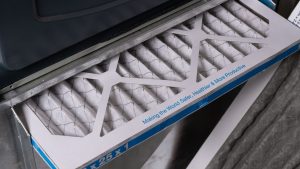
A dirty filter restricts the air moving through the furnace. Natural Resources Canada (NRCan) explains that reducing airflow too much can raise the air temperature inside the furnace too high, and furnaces are built to shut the burners off when that happens.
NRCan advises cleaning or replacing the filter regularly, and turning off the power to the furnace before opening the access panel to check it. This is the easiest cause to rule out yourself.
A Dirty Flame Sensor
The flame sensor confirms that the burners have lit. When it is coated with buildup, it cannot detect the flame, so the furnace shuts the gas off within seconds of lighting as a safety measure. Flame sensor cleaning is one of the lower-cost furnace repairs, although it involves working near gas components and should be left to a technician.
A Thermostat Problem
A thermostat that is failing, set incorrectly, or mounted near a heat source or cold draft can misread the room temperature and shut the furnace off too early. Check that it is set to heat, the batteries are fresh if it uses them, and nothing nearby is warming or cooling it. Thermostat issues are another common lower-cost repair.
A Blocked Exhaust Vent
High-efficiency furnaces vent through PVC pipes on the outside of the house. NRCan advises keeping the outside vent clear of obstructions, including ice, and in a Calgary winter, snow and frost can block it. When the vent is blocked, the furnace’s pressure switch stops it from running. Clear any snow or ice gently by hand, and if the problem returns, have a technician check the venting and pressure switch.
Blocked Vents or Returns
NRCan also recommends removing obstructions from ducts, warm air registers, and cold air returns so air can move freely through the system. Furniture or rugs covering a return can starve the furnace of air and lead to the same overheating as a clogged filter.
Electrical or Control Faults
When the simple checks do not solve it, the cause may be a failing control board, pressure switch, or other component. These repairs need a licensed technician with the right diagnostic tools.
When the Furnace Is Simply Too Big
Sometimes nothing is broken. NRCan notes that oversized systems can deliver short bursts of hot air, and recommends sizing a furnace using a heat loss calculation based on the CSA F280 standard rather than floor area or the size of the old unit.
If your furnace short-cycles even after a full tune-up, an oversized unit may be the reason, and the long-term fix is a properly sized furnace replacement installation. In Calgary, residential furnace replacements require a permit.
Why Short-Cycling Is Worth Fixing Quickly
Frequent starts and stops waste energy, since NRCan notes that furnaces lose heat through cycling on and off and cold start-ups. The constant restarts also add wear to the ignition system, blower motor, and controls. Heating bills that climb without any change in usage are often the first thing homeowners notice, and an unexplained jump in utility costs is one of the clearest signs it is time to call a furnace repair technician.
If short-cycling comes with a yellow burner flame, the Canadian Gas Association notes that a yellow flame can be a sign of carbon monoxide. The Calgary Fire Department identifies the furnace as the most common source of carbon monoxide in a home and recommends a CO alarm on every level. If an alarm sounds, leave the house and call 911.
Get Your Furnace Running Properly With Quicker Rooter
Our licensed technicians diagnose and repair short-cycling on all major furnace makes and models, and in most cases we can fix your furnace the same day. We are available 24/7, provide a written estimate before work begins, and back every repair with a 1-year warranty on parts and labour.
Call (403) 294-1288 or book online.