When your main sewer line is backed up, wastewater has nowhere to go, so it comes back up through the lowest drain in the house, usually the basement floor drain.
If that happens, stop using all water right away, consider this an emergency, and keep everyone out of the contaminated area. Most main line backups come from grease, flushed wipes, tree roots, or a damaged pipe, and the fix starts with clearing the line, then using a camera to find out why it blocked.
How to Tell It Is the Main Line
A single slow sink is a local clog. When the toilet gurgles as the washer drains, several fixtures back up together, or sewage appears at a basement floor drain, the blockage is in the main line that every drain shares.
A backup that returns after every clearing is its own warning sign, since recurring sewer line backups usually point to roots, buildup, or a damaged pipe that a simple clearing does not fix.
What to Do While the Line Is Backed Up
The first hour is about limiting damage and keeping people safe. These steps apply whether the blockage turns out to be on your property or in the City’s main.
Stop Using Water
Do not flush toilets, run taps, or start the dishwasher or washing machine. With the main line blocked, water used anywhere in the house can end up coming out of the lowest drain.
Stay Out of Contaminated Water
The City of Calgary warns that sewage water may contain harmful bacteria and pathogens, and advises staying out of the affected area unless you are wearing rubber gloves, boots, and a mask. Keep children and pets well away.
Call 311 if the City Main Could Be Involved
If you are unsure where the blockage is, the City recommends calling 311. An agent will determine whether City infrastructure may be involved, and if a crew comes out, it runs a steel snake to the sewer main to see whether the blockage is on public or private property.
Knowing who is responsible for sewer line repair helps you understand what happens next and who pays for the repair.
Clear Access to the Cleanout
Whoever arrives will need your sewer cleanout. The City asks homeowners to locate and expose it and clear a path of about two metres around it before crews arrive, and a plumber needs the same access.
Contact Your Insurer
Photograph the damage before cleanup and call your insurer. The Insurance Bureau of Canada (IBC) notes that water damage from a sewer backup is only covered if you purchased optional sewer backup coverage.
How We Fix a Backed-Up Main Sewer Line
Our process moves from getting the line flowing to making sure it stays that way, and we explain what we find before any work starts.
Clear the Blockage
The first priority is restoring flow. Depending on what is in the line, our professional drain cleaning uses a drain snake or hydro jetting which sends high-pressure water through the pipe to clear grease, debris, and roots.
Before hydro jetting, a camera inspection confirms the pipe can handle the pressure. Most clogs and blockages are resolved the same day, and most jobs take about an hour, although root intrusions can take longer.
Inspect the Line With a Camera
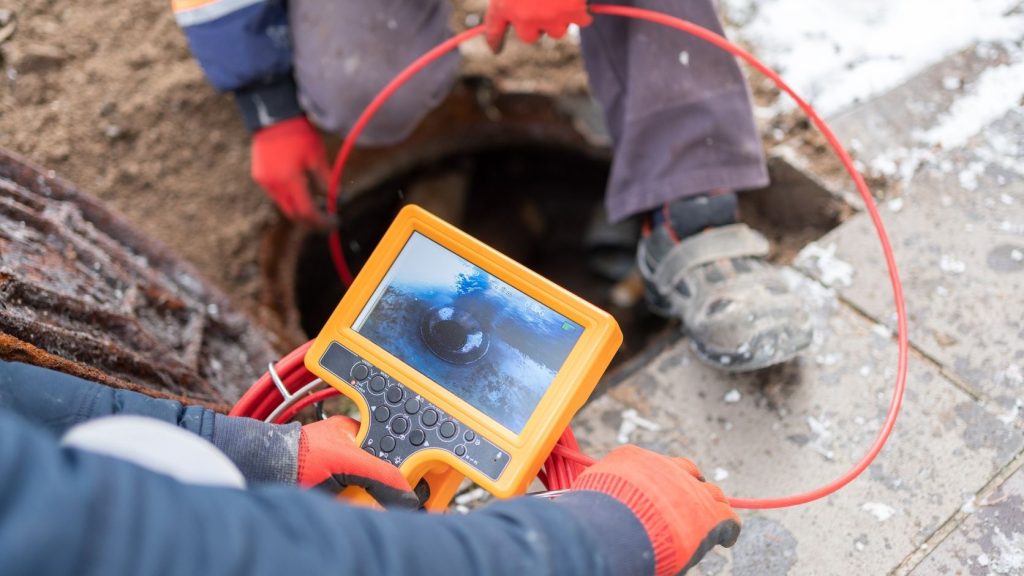
Once water is moving, a sewer camera shows exactly what caused the backup and where. That inspection separates a line that simply needs cleaning from one that is cracked, collapsed, or full of roots, and it pinpoints where along the line the problem sits so any repair targets the right spot.
Repair the Pipe if It Is Damaged
| What the camera finds | How we fix it |
|---|---|
| Grease or debris buildup | Hydro jetting to clean the pipe walls |
| Flushed wipes or foreign objects | Clearing the line and removing the obstruction |
| Tree roots | Root cutting tools combined with hydro jetting |
| Cracked or deteriorated pipe | Trenchless repair through pipe bursting or relining |
| Collapsed or badly misaligned pipe | Excavation to repair or replace the pipe |
Our sewer repair work relies on trenchless methods whenever the pipe allows it, and most trenchless jobs are finished in one to two days.
How to Prevent the Next Backup
The City of Calgary recommends never pouring fats, oils, or grease down the drain. Wipe greasy dishes and cookware with a paper towel and put it in your compost instead. The City also lists items that should never be flushed, including wipes, dental floss, diapers, disposable towels, and hair.
For extra protection, the City recommends a backwater valve on below-grade fixtures. A plumbing permit is required to install one, the valve must slope down toward the municipal sewer to work properly, and it needs regular servicing once it is in place. During heavy rainfall, IBC also suggests limiting household water use so local sewer systems are not overwhelmed.
Get Your Sewer Line Flowing Again With Quicker Rooter
Our Quicker Rooter Plumbing & Heating plumbers handle sewer backups 24/7. We aim to reach most Calgary locations within 45 to 60 minutes, give you upfront pricing before any work begins, and back the work with a 1-year warranty on parts and labour.
Call (403) 294-1288 or book online.