If your sump pump stopped working during a storm, handle safety first and the pump second. Stay out of the basement if water has reached the outlets or you smell gas, then check for lost power, a stuck float switch, or a blocked discharge line. If the pump will not restart and the pit keeps filling, it is time to call an emergency plumber in Alberta.
Make the Basement Safe Before You Touch the Pump
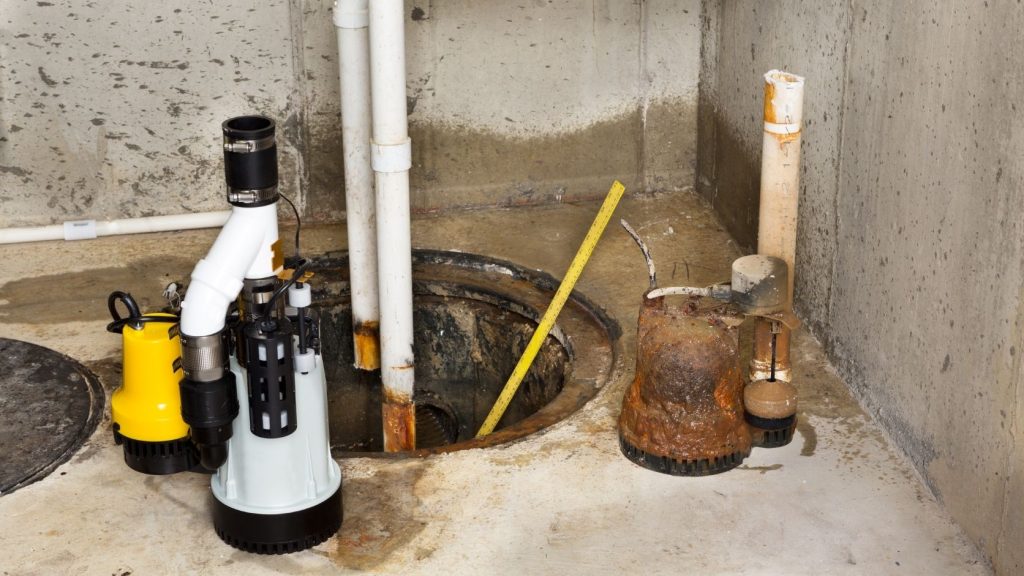
A sump pit sits in the lowest part of the basement floor, which puts the pump, its cord, and its outlet right where water collects. The City of Calgary advises staying out of the basement once water is seeping in, and calling 911 and evacuating if necessary when you smell gas or the water is above the electrical outlets.
If the water is still contained in the pit and the floor around it is dry, you can safely work through the checks below. If you are standing in water, do not touch anything electrical.
Find Out Why the Sump Pump Stopped
Most storm-night failures trace back to one of four causes.
The Power Is Out or the Outlet Has Tripped
A sump pump cannot run without electricity. If the rest of the house has power, check whether the pump’s breaker has tripped, and if its outlet has a reset button, press it with dry hands.
The Float Switch Is Stuck
The float rises with the water and tells the pump when to start. Debris, or a pump that has shifted and pinned the float against the pit wall, can hold it down while the pit fills. Unplug the pump, free the float, then plug it back in.
The Pump Runs but the Pit Will Not Empty
A humming pump that never lowers the water usually points to a clogged intake screen, a stuck check valve, or a discharge line blocked by debris or ice. If the pump empties the pit but it refills almost immediately, check where the water is going. The City’s Climate Ready Home Guide notes that pumped water needs to clear the backfill zone around your foundation, or it can recycle right back into the pit.
The Motor Has Worn Out
The City recommends replacing a sump pump every 10 years, or sooner. An older pump that hums, overheats, or does nothing at all may simply be finished.
Is It a Sump Problem or a Sewer Backup?
Storm water in a basement does not always come from the sump pit, and the source changes what you do next.
| What you notice | Likely sump pump failure | Likely sewer backup |
|---|---|---|
| Where water appears | Overflowing sump pit | Floor drain, toilet, or basement shower |
| What the water is like | Groundwater, usually without a sewage smell | Grey or brown, with a sewage odour |
| What to do right away | Restore the pump or bail the pit | Stop using all water in the home |
Water rising through a floor drain usually points to the sewer line rather than the pump. A camera drain inspection shows what is blocking that line, which matters most for homes that keep dealing with recurring sewer line backups.
Protect the Basement While You Wait for Help
If the pump will not restart and the floor is still dry, you can buy time:
- Bail the pit with a bucket and carry the water well away from the foundation. The City’s Community Standards Bylaw does not allow sump water to drain onto neighbouring properties, lanes, sidewalks, boulevards, or streets.
- Move valuables and electronics off the basement floor.
- Point downspouts toward the front or rear of your property, at least six feet from the foundation.
A rising pit with a dead pump at 2 a.m. is a different situation than a pump that recovered once the power returned, and that difference is the core of choosing between an emergency plumber and a regular plumber.
What Insurance Will and Will Not Cover
The City of Calgary will assess a flooding situation but does not pump water out of basements. According to the Insurance Bureau of Canada (IBC), basement damage from a sewer backup is only covered if you purchased optional sewer backup coverage, and overland flood coverage is a separate option. Whether water from a failed sump pump is covered depends on your insurer and policy wording, so confirm with your insurance representative. IBC recommends photographing the damage, keeping detailed notes, and saving every cleanup receipt when you report a claim.
Stop the Next Storm From Flooding the Basement
A few upgrades turn a single point of failure into a system with a fallback. The City of Calgary recommends:
- A battery backup or generator to keep the pump powered during outages
- A separate backup pump if your primary pump cycles daily or more often
- A check valve on the discharge pipe
- A sump alarm that sounds when water rises to a critical level or the pump fails to start
- Testing the pump by pouring water into the pit and confirming it starts on its own
Floor drains matter too. Keeping them clear of obstructions is the first item on IBC’s list of tips for preventing water damage, and professional drain cleaning clears buildup that slows a floor drain.
Get Your Sump Pump Running Again With Quicker Rooter
A broken sump pump is one of the urgent plumbing issues our licensed Calgary plumbers handle 24/7. We aim to reach most Calgary locations within 45 to 60 minutes, give you upfront pricing before any work begins, and back the work with a 1-year warranty on parts and labour. Call (403) 294-1288 or book online to get water moving out of your basement again.
SOURCES